
POWER PEPTIDES
Power peptides represent an exciting area of biomedical research with potential applications in hormone optimization, muscle recovery, tissue regeneration, and metabolic health.
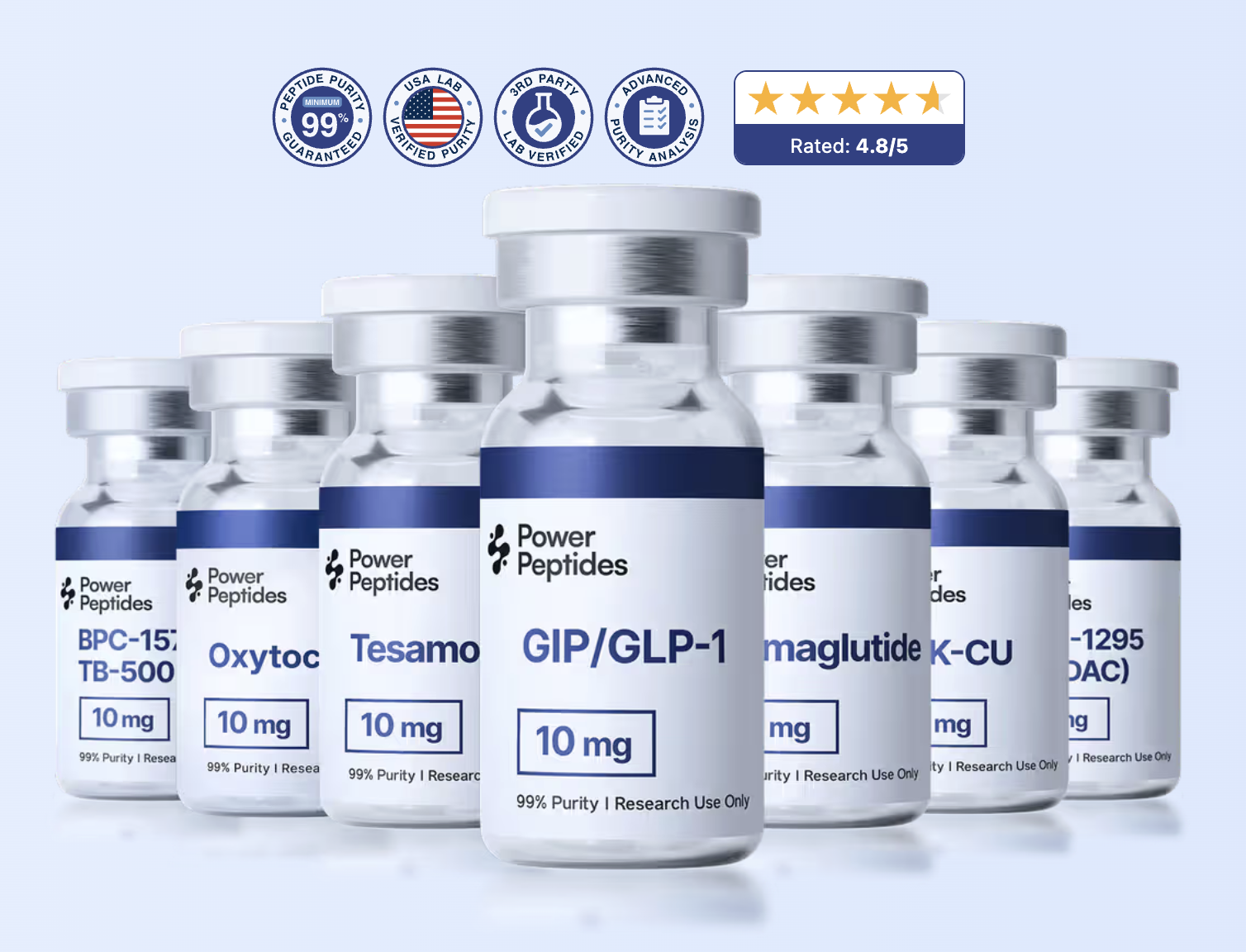
High-Purity Research Peptides
Explore our selection of 99%+ purified research peptides and reference compounds for laboratory use.
Third Party tested for quality
Vacuum-Sealed for optimal Storage
Verified Purity and concentration

POWER PETIDE
Why Us
Powering Scientific Innovation with Precision and Trust
Power your discoveries with peptides you can trust. Quality in every molecule.
Our Commitment to Quality -
-
Our Support Team
-
Quality Assurance
-
Research Community Trust
Related products
-
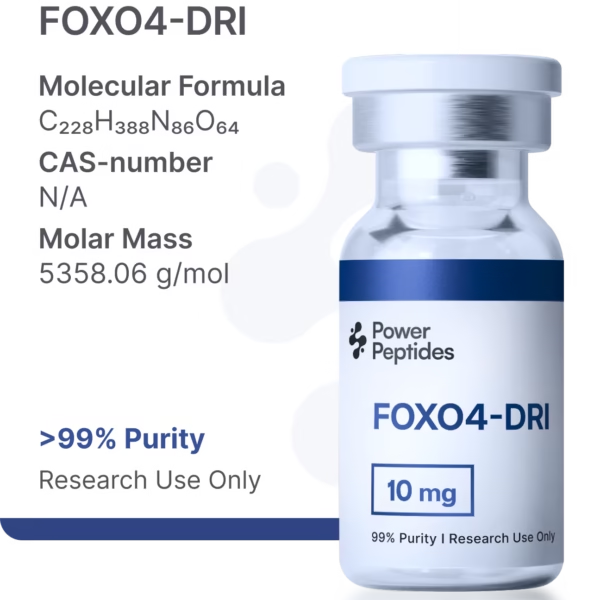
FOXO4-DRI 10mg
$329.99 -
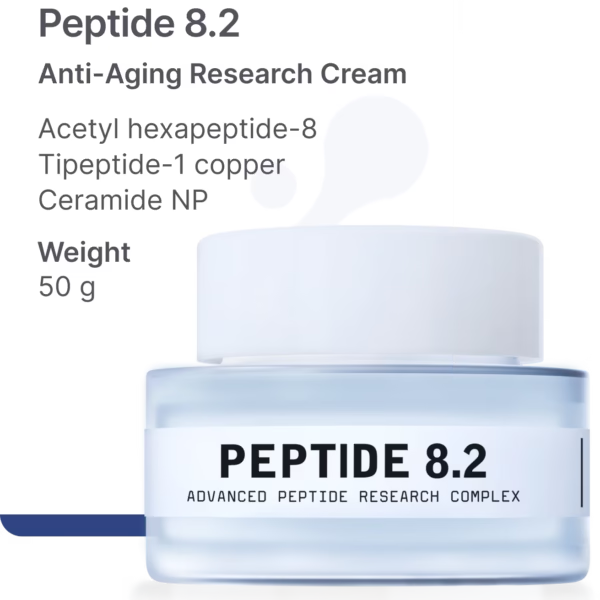
PEPTIDE 8.2 – Advanced Anti-Aging Research Complex Face Cream
$137.99 -
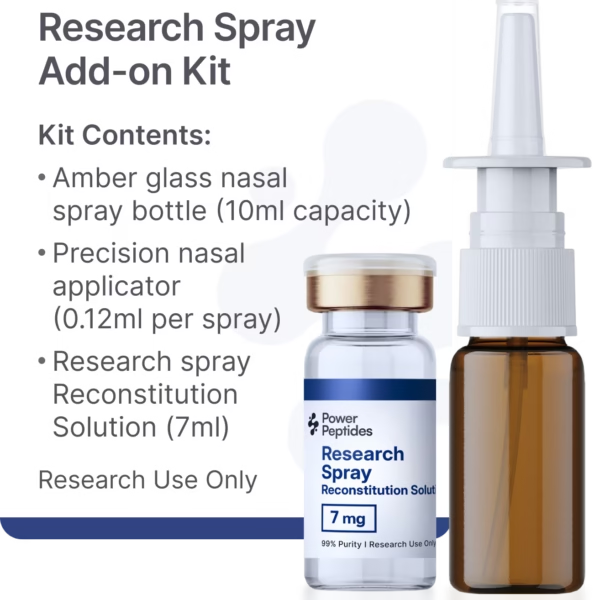
Research Add-on Kit
$43.99 -
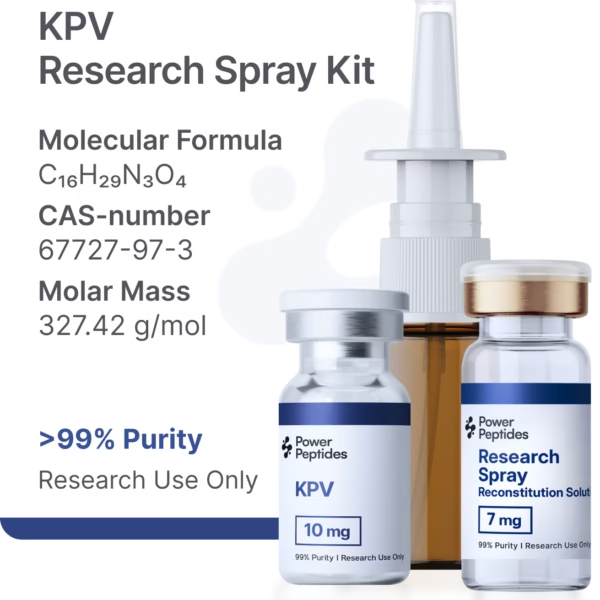
KPV Research Kit
$138.99 -
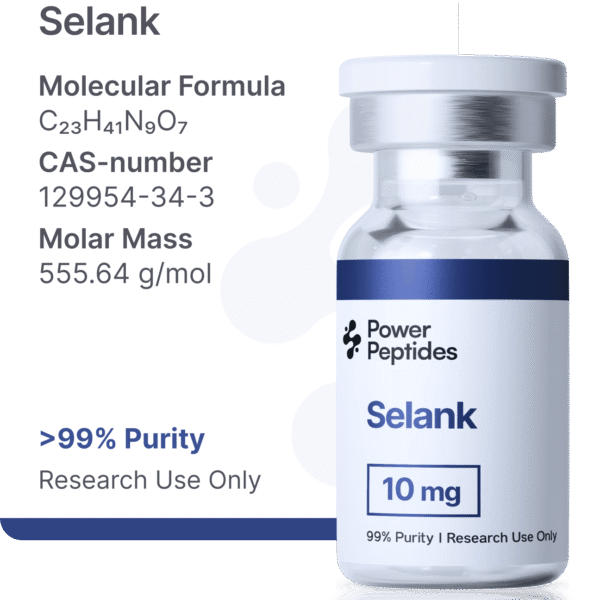
Selank
$98.99 -
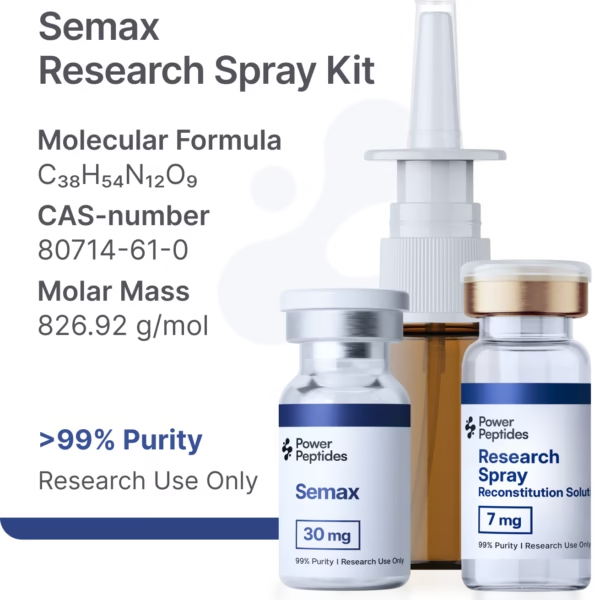
Semax Research Kit
$118.99 -
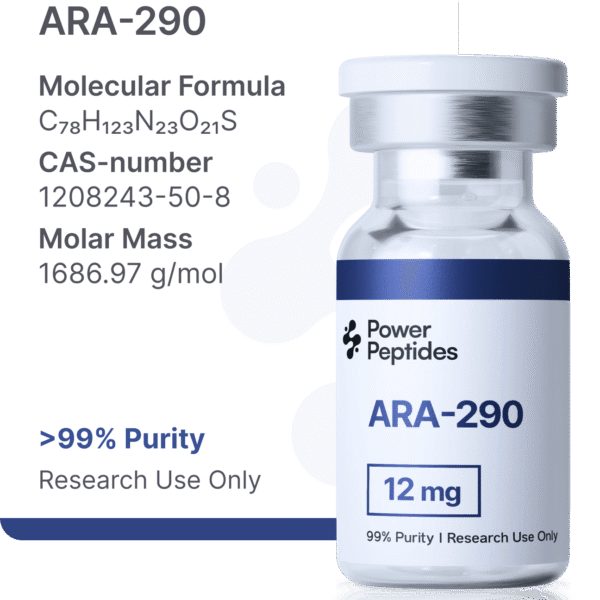
ARA-290
$72.99 -
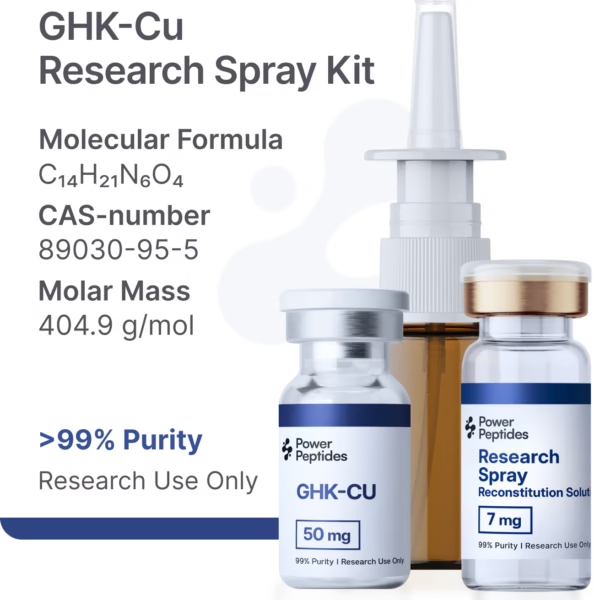
GHK-Cu – 50mg – Research Spray Kit
$113.99 -
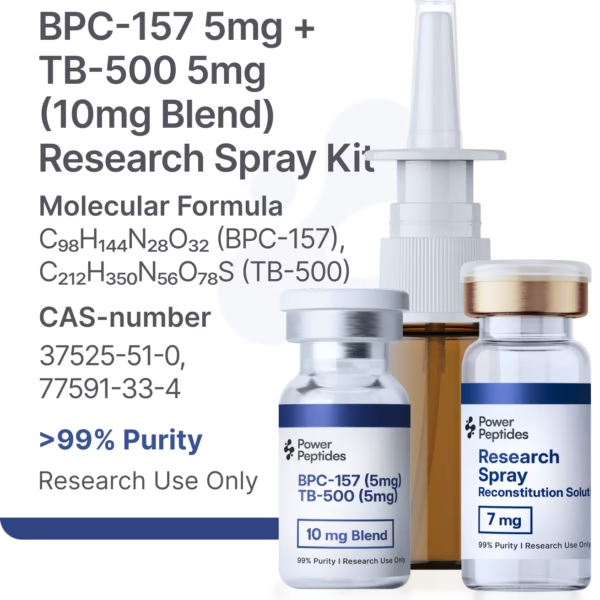
BPC-157 + TB-500 5mg/5mg (10mg/7ml) Research Spray Kit
$164.99 -
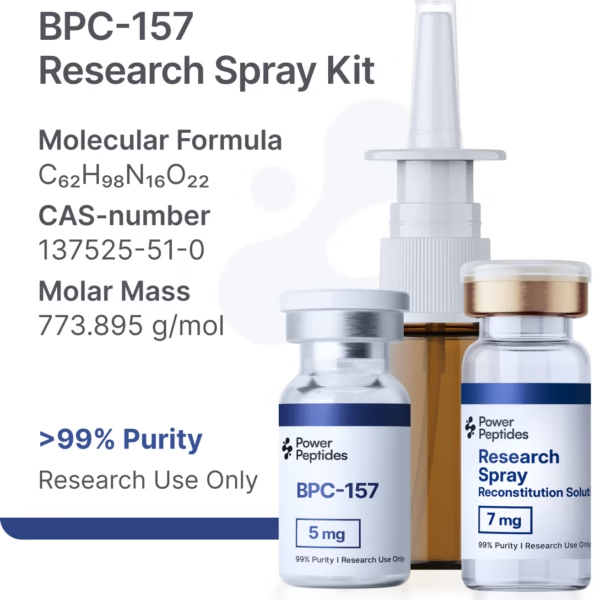
BPC-157 – 5mg – Research Spray Kit
$103.99 -
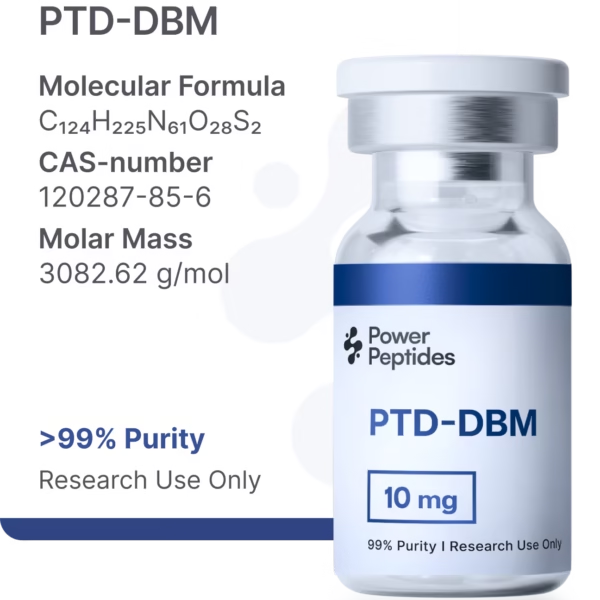
PTD-DBM
$187.99 -
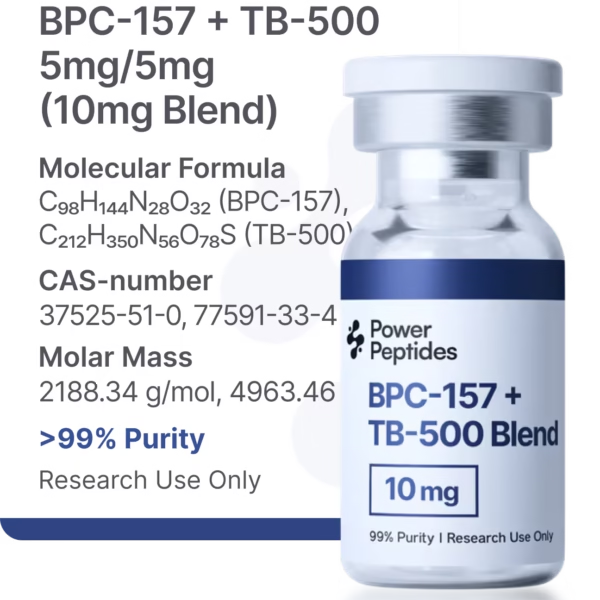
BPC-157 + TB-500 5mg/5mg (10mg Blend)
$120.99 -
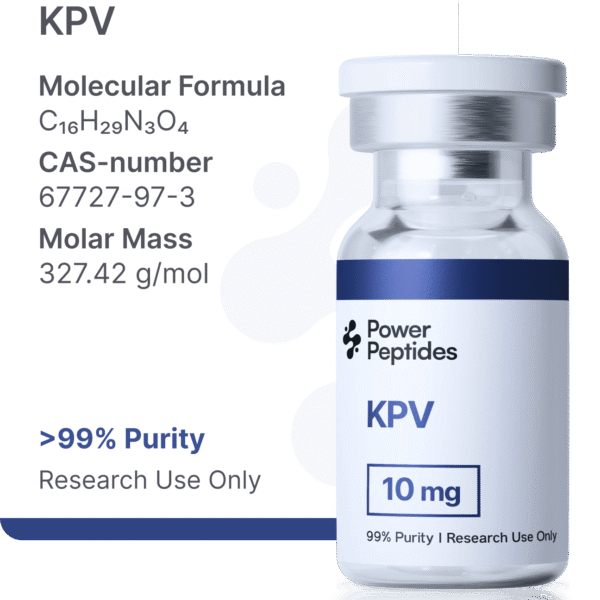
KPV
$94.99 -
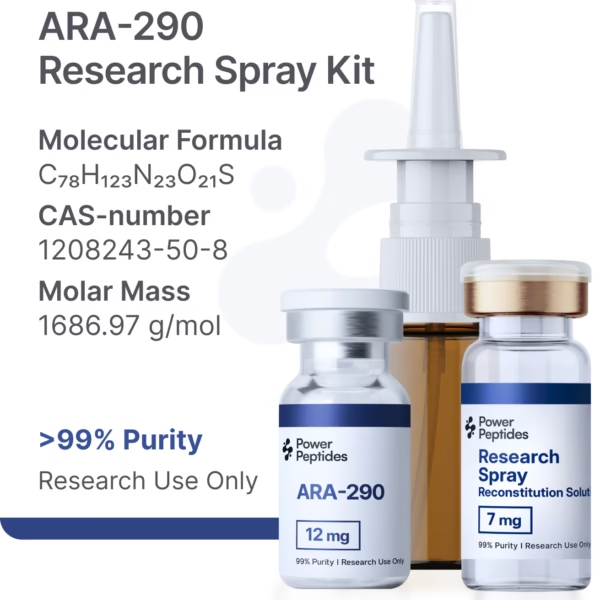
ARA-290 Research Kit
$116.99 -
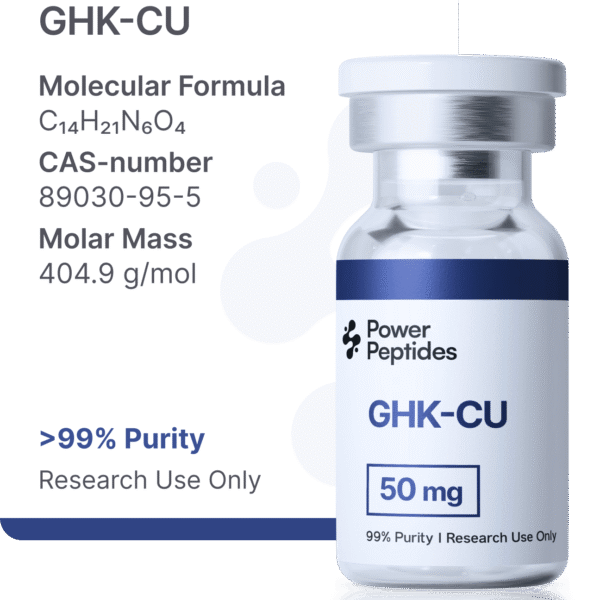
GHK-Cu
$69.99 -
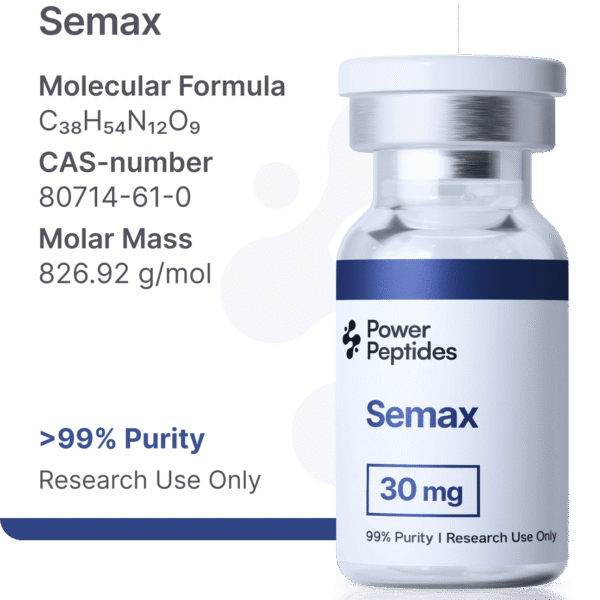
Semax
$74.99 -
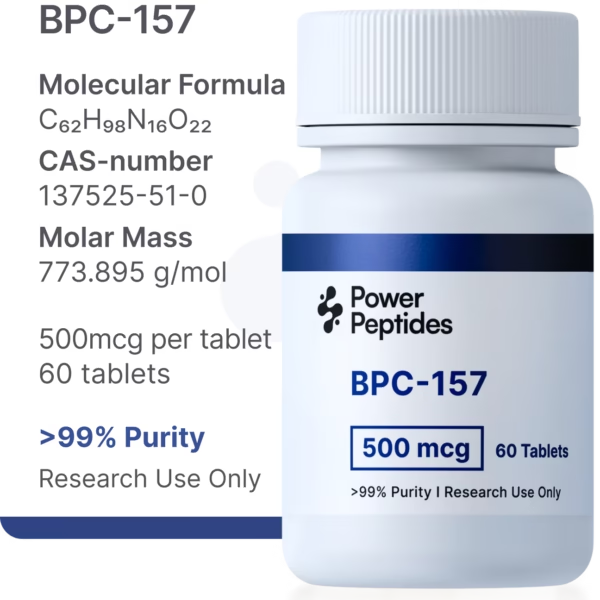
BPC-157 500mcg (60 tablets)
$173.99 -
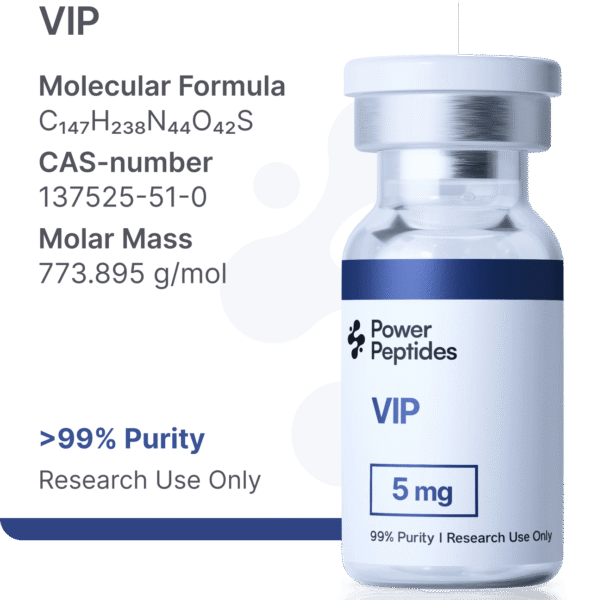
VIP
$69.99 -
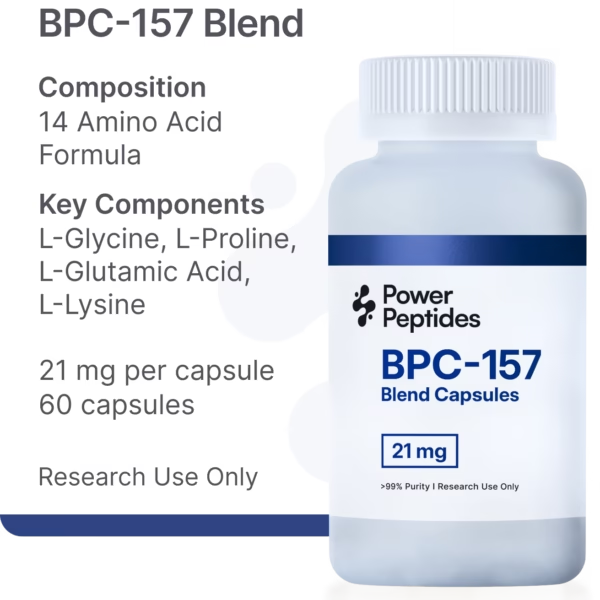
BPC-157 Blend 21mg (60 capsules)
$173.99 -
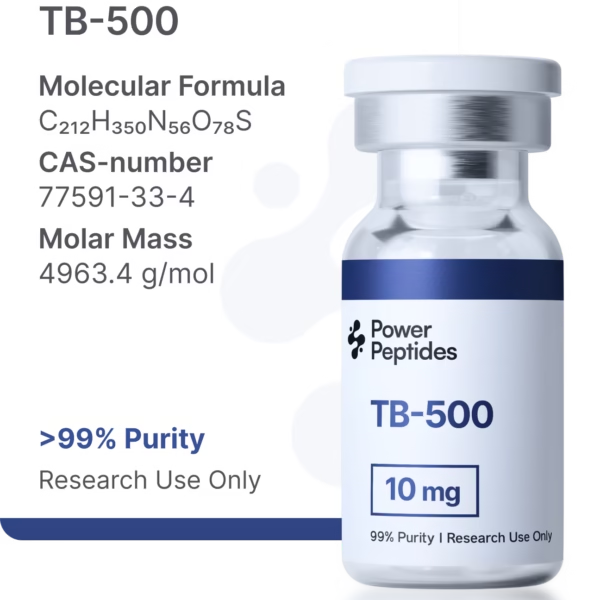
TB-500
$162.99
Power Peptides Official: Benefits, Types, Uses, Safety, and Scientific Evidence
Power peptides have become one of the fastest-growing topics in health, fitness, anti-aging, and regenerative medicine. From muscle growth and fat loss to recovery and longevity, these biologically active compounds are marketed as powerful tools for optimizing human performance. However, not all peptides are backed by the same level of scientific evidence.
This comprehensive guide explains what power peptides are, how they work, the different types available, their potential benefits, risks, and what current research says about their effectiveness.
What Are Power Peptides?
Power peptides are short chains of amino acids that act as signaling molecules in the body. Unlike proteins, which contain long amino acid sequences, peptides are much smaller and interact with specific receptors to regulate biological processes.
Many performance-enhancing peptides are designed to stimulate the body's natural production of growth hormone, insulin-like growth factor-1 (IGF-1), collagen, or other cellular pathways involved in muscle growth, tissue repair, metabolism, and recovery.
Because of their targeted mechanisms, peptides have attracted interest from athletes, bodybuilders, researchers, and healthcare professionals.
How Do Power Peptides Work?
Power peptides function by binding to receptors located on cells throughout the body. Once activated, these receptors trigger signaling pathways that influence hormone release, protein synthesis, tissue repair, immune function, or metabolic regulation.
Depending on the peptide, they may:
- Stimulate natural growth hormone secretion
- Increase IGF-1 production
- Support collagen formation
- Promote tissue regeneration
- Influence fat metabolism
- Improve cellular communication
- Enhance recovery after exercise
Unlike anabolic steroids, most peptides do not directly replace hormones. Instead, they encourage the body to produce or regulate its own biological signals.
Peptide Power
Types of Power Peptides
Growth Hormone Secretagogues (GHS)
Growth hormone secretagogues stimulate the release of growth hormone by activating the ghrelin receptor.
Popular examples include:
- Ipamorelin
- GHRP-2
- GHRP-6
- Hexarelin
These peptides are commonly researched for muscle development, fat reduction, and recovery.
Growth Hormone-Releasing Hormone (GHRH) Analogues
These peptides mimic the body's natural growth hormone-releasing hormone.
Examples include:
- CJC-1295
- Sermorelin
- Tesamorelin
They help increase natural growth hormone production while maintaining physiological hormone release patterns.
IGF-1 Peptides
Insulin-like Growth Factor-1 (IGF-1) plays an important role in muscle repair and growth.
Research peptides include:
- IGF-1 LR3
- DES IGF-1
These compounds are investigated for their ability to support muscle protein synthesis and tissue regeneration.
Healing and Recovery Peptides
Several peptides are promoted for tissue repair and faster recovery.
Common examples include:
- BPC-157
- TB-500
- KPV
Although animal studies show promising results, human clinical evidence remains limited.
Benefits of Power Peptides
Research suggests that certain peptides may provide several potential benefits, depending on the specific compound and medical context.
Muscle Growth
Some peptides stimulate growth hormone and IGF-1 production, which may support lean muscle development alongside proper training and nutrition.
Potential benefits include:
- Increased lean muscle mass
- Improved muscle recovery
- Enhanced protein synthesis
- Better workout recovery
Fat Loss
Certain peptides may influence metabolism and body composition by increasing growth hormone levels or targeting visceral fat.
Possible benefits include:
- Reduced body fat
- Improved metabolic function
- Better body composition
- Increased energy expenditure
Faster Recovery
Recovery peptides are investigated for their potential to assist healing after injuries or intense exercise.
Possible applications include:
- Tendon repair
- Ligament recovery
- Muscle healing
- Reduced inflammation
- Improved post-workout recovery
Anti-Aging Support
Some researchers are exploring peptides for healthy aging because growth hormone naturally declines with age.
Potential areas of interest include:
- Skin elasticity
- Collagen production
- Sleep quality
- Cellular repair
- Energy levels
More high-quality human research is needed before broad anti-aging claims can be made.
Scientific Evidence Behind Power Peptides
The quality of scientific evidence varies significantly among peptides.
Stronger Clinical Evidence
Some peptide medications have established medical uses under physician supervision.
Examples include:
- Tesamorelin for HIV-associated lipodystrophy
- Sermorelin in selected clinical settings
Limited Human Evidence
Many popular bodybuilding peptides have only small clinical studies available, including:
- CJC-1295
- Ipamorelin
- GHRP-6
- GHRP-2
While these compounds reliably increase growth hormone levels, improvements in muscle growth and athletic performance are less consistent.
Mostly Preclinical Evidence
Peptides such as BPC-157 and TB-500 have generated excitement based primarily on laboratory and animal studies.
At present, large, high-quality human clinical trials are still lacking.
Potential Risks and Side Effects
Like any biologically active compound, peptides may produce side effects.
Possible adverse effects include:
- Water retention
- Joint pain
- Headaches
- Injection-site irritation
- Increased appetite
- Changes in blood sugar regulation
- Insulin resistance
- Swelling
The risk profile depends on the specific peptide, dosage, and individual health status.
Are Power Peptides Legal?
The legal status of peptides differs by country and by compound.
Some peptide medications are approved for specific medical conditions and require a prescription.
Many peptides marketed for bodybuilding or athletic performance are sold for research purposes only and are prohibited in competitive sports under anti-doping regulations.
Always verify local laws and consult a qualified healthcare professional before considering peptide therapy.
Power Peptides Reviews
Who Should Avoid Power Peptides?
Power peptides may not be appropriate for everyone.
Individuals should seek medical advice before using peptides if they:
- Are pregnant or breastfeeding
- Have diabetes
- Have active cancer
- Have severe cardiovascular disease
- Have endocrine disorders
- Take medications that affect hormone regulation
Medical supervision is especially important because peptides influence complex hormonal pathways.
Do power peptides build muscle?
Some peptides increase growth hormone and IGF-1 levels, which may support muscle development. However, evidence for dramatic muscle gains in healthy individuals remains limited compared with marketing claims.
Are power peptides safer than steroids?
Peptides generally work through different biological mechanisms than anabolic steroids. However, they still carry potential risks, and long-term safety data for many research peptides are limited.
Which peptide is best for recovery?
BPC-157 and TB-500 are frequently discussed for recovery, but current evidence in humans is limited. More clinical research is needed to confirm their effectiveness.
Can peptides help with fat loss?
Certain peptides may improve body composition in specific medical settings, but they are not a substitute for a balanced diet, regular exercise, and healthy lifestyle habits.
While some peptide therapies have established medical uses, many of the compounds promoted for bodybuilding and performance enhancement still lack strong clinical evidence in healthy individuals.
Anyone considering peptide therapy should base decisions on high-quality scientific research rather than marketing claims and should consult a qualified healthcare professional before beginning treatment.

Related products
-
Semax Research Kit
$118.99 -
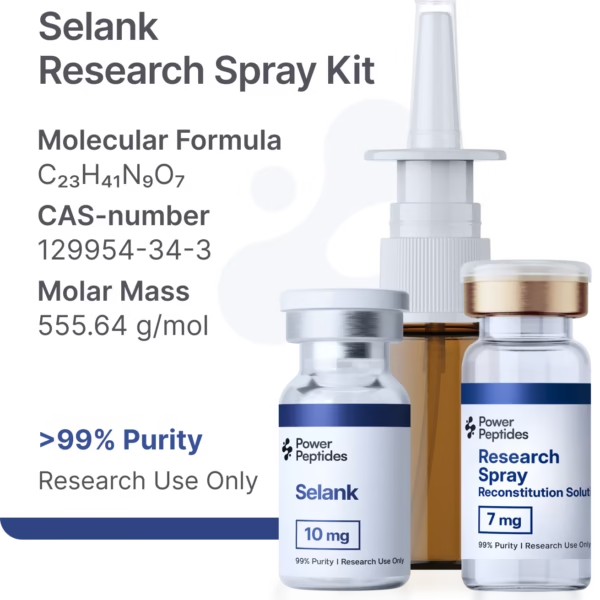
Selank Research Kit
$142.99 -
GHK-Cu – 50mg – Research Spray Kit
$113.99 -
Research Add-on Kit
$43.99 -
Semax
$74.99 -
PEPTIDE 8.2 – Advanced Anti-Aging Research Complex Face Cream
$137.99 -
FOXO4-DRI 10mg
$329.99 -
BPC-157 + TB-500 5mg/5mg (10mg/7ml) Research Spray Kit
$164.99 -
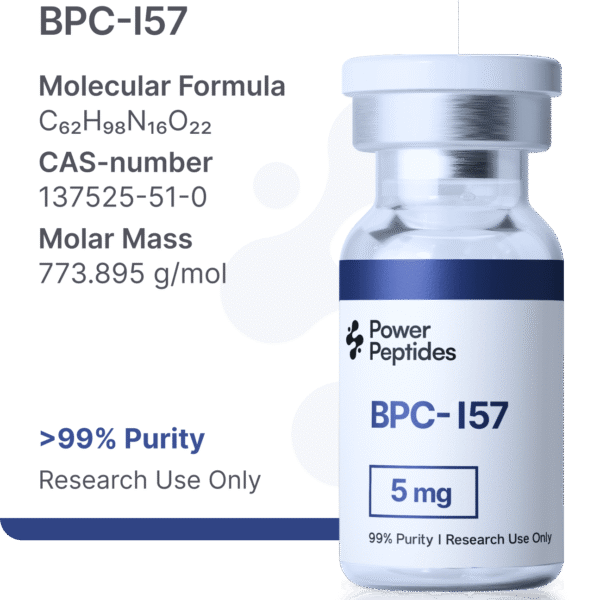
BPC-I57
$59.99 -
BPC-157 Blend 21mg (60 capsules)
$173.99 -
BPC-157 500mcg (60 tablets)
$173.99 -
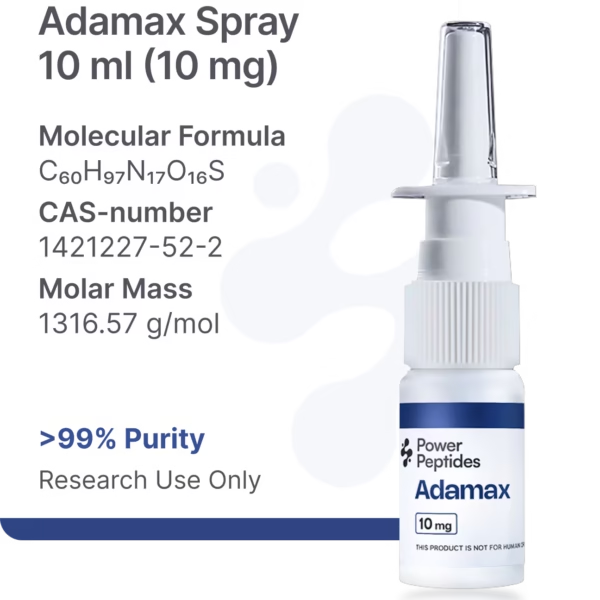
Adamax Spray 10ml (10mg)
$108.99 -
PTD-DBM
$187.99 -
ARA-290 Research Kit
$116.99 -
KPV
$94.99 -
KPV Research Kit
$138.99 -
BPC-157 + TB-500 5mg/5mg (10mg Blend)
$120.99 -
BPC-157 – 5mg – Research Spray Kit
$103.99 -
VIP
$69.99 -
GHK-Cu
$69.99
Research Peptides Supported by Verifiable Testing
Power Peptides™ is more than just a U.S. supplier of research peptides. We are helping to power the next wave of peptide research by providing peptides that support our clients’ work.
Frequently Asked Questions (FAQs)
Please visit our FAQ page before reaching out to our customer support. Our team regularly updates this resource to provide you with the most up-to-date and comprehensive information, saving you valuable time.
What sets Power Peptides apart from other peptide suppliers?
How can I be assured of the quality of your products?
How should peptides be stored?
All products on this site are intended for research and development purposes only and are not meant for human consumption of any kind. The statements made within this website have not been evaluated by the U.S. Food and Drug Administration (FDA). Neither the statements nor the products offered by this company are intended to diagnose, treat, cure, or prevent any disease.